As the veil between the worlds of the living and the dead thins during the lunar month of July in Vietnam and the Western Halloween season, cultures on opposite sides of the globe come together to celebrate their spectral beliefs in unique and intriguing ways. While the cultural and historical contexts may differ significantly, the common thread of honoring the departed and acknowledging the supernatural binds these two seemingly disparate traditions. Join us on a journey to explore the intriguing world of ghosts and spirits during Vietnam’s Lunar July and the Western Halloween season.

Cultural Significance: Vietnam’s Lunar July
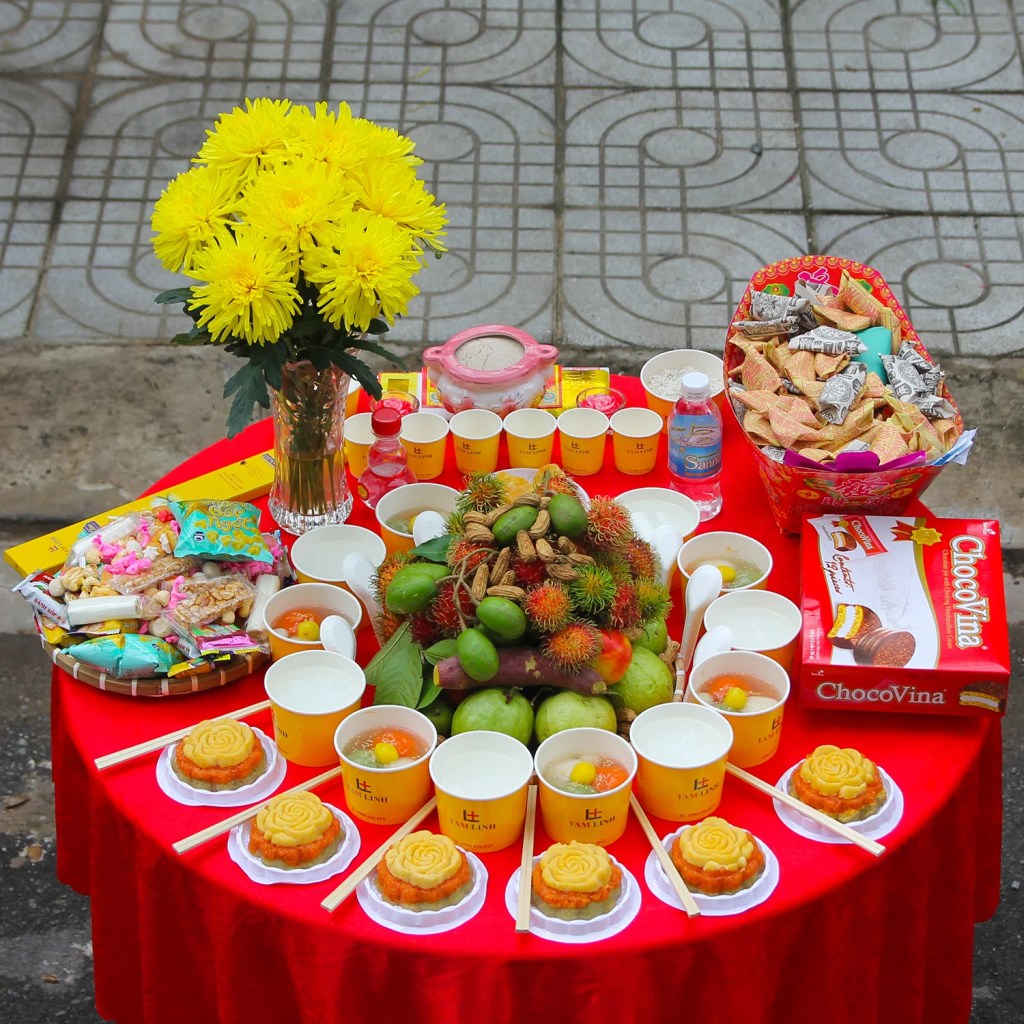
(Credit: docungtamlinh.com.vn)
In Vietnam, the seventh month of the lunar calendar, known as “Tháng Bảy” or “Ghost Month,” holds immense cultural and spiritual significance. It is believed that the gates of the underworld open during this time, allowing spirits to return to the realm of the living. Families perform elaborate rituals to honor their ancestors and appease wandering spirits. Offerings of food, money, and other items are made, and incense is burned to guide the spirits.
Western Halloween
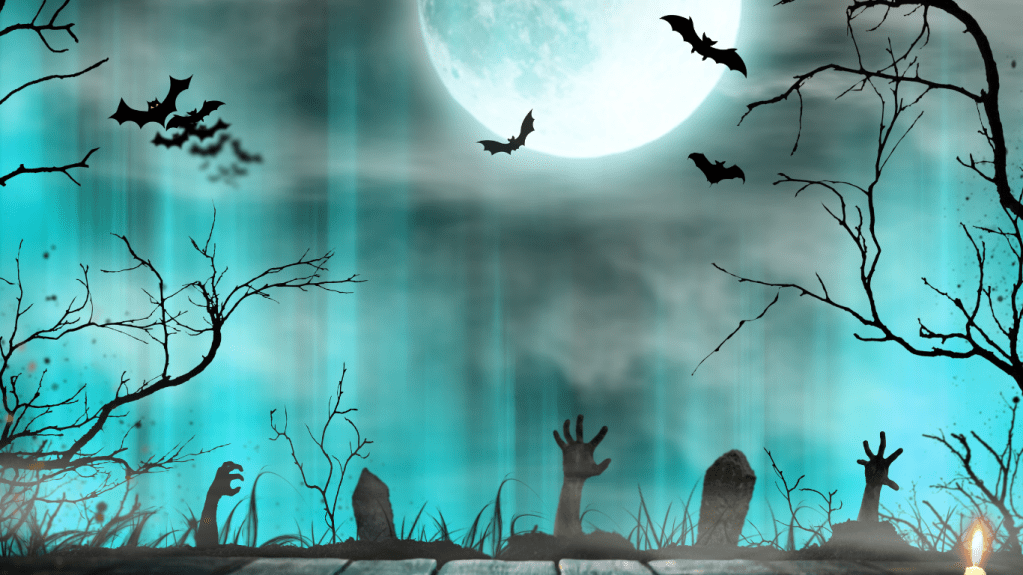
In stark contrast, Western Halloween, celebrated on October 31st, has roots in the ancient Celtic festival of Samhain. It marks the end of the harvest season and the beginning of winter. Similar to Lunar July, Halloween has a strong connection to the spirit world, with people dressing up in costumes to ward off malevolent spirits. It’s a time when haunted houses, eerie decorations, and tales of the supernatural take center stage.
Ghostly Beliefs: A Comparison
While both Lunar July and Halloween are associated with ghosts and the spirit world, the beliefs about these entities differ. In Vietnam, spirits are seen as ancestors and are venerated. In the West, Halloween’s ghosts are often depicted as mischievous or malevolent beings.
Festive Foods: Honoring the Spirits
Both traditions feature special foods and offerings. In Vietnam, families prepare elaborate feasts to share with their ancestors’ spirits, while in the West, sweets and candies are offered to visiting trick-or-treaters. The act of offering food to the departed is a common thread that ties these seemingly distinct traditions together.
Activities and Celebrations: Honoring the Supernatural
During Vietnam’s Ghost Month, various festivals and performances take place, including the popular “hát bói” or “tuồng” opera performances, which depict stories of the spirit world. In the West, Halloween is marked by costume parties, haunted houses, and the telling of ghost stories. These celebrations bring communities together, fostering a sense of unity and shared cultural experience.
Modern Observations: Tradition in the Modern World
In contemporary Vietnam and the West, the observance of Lunar July and Halloween has evolved. While older generations often adhere to these traditions faithfully, younger generations may approach them with a blend of modern and traditional elements. Western Halloween has also become a global phenomenon, with people from various cultures embracing its spirit.
Globalization of Halloween: A Cross-Cultural Exchange
Halloween’s global popularity has led to its adoption in Vietnam and other parts of the world. Local customs and beliefs are integrated with Western Halloween traditions, creating a unique fusion of cultures.
Conclusion:
Though separated by geography and culture, Vietnam’s Lunar July and Western Halloween are linked by the universal human fascination with the supernatural and the desire to connect with the spirits of the past. As the world continues to evolve, these traditions evolve with it, showcasing the resilience of cultural practices and their ability to bridge gaps and bring people together in celebration of life, death, and the mysteries of the spirit world.
 GrubVIET