Vietnamese cuisine is known for its balance of flavors and textures, creating a harmonious and satisfying dining experience. But what makes Vietnamese cooking so unique? The answer lies in the five elements of Vietnamese cooking.
The five elements of Vietnamese cooking are spicy, sour, sweet, salty, and bitter. These elements are used to create a balance of flavors that stimulate the taste buds and enhance the overall dining experience.
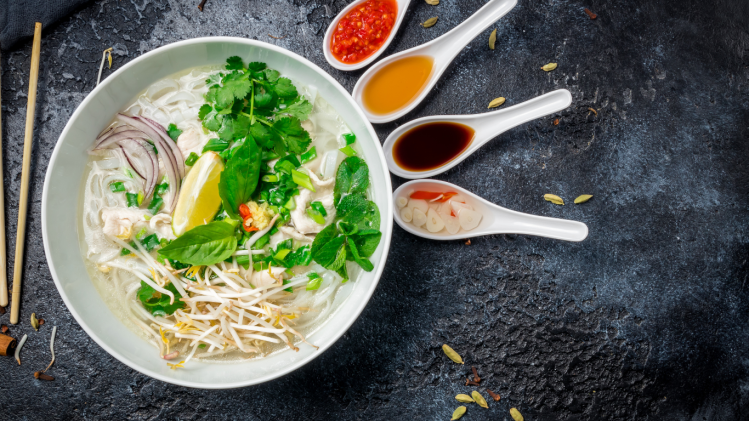
Spicy
Spiciness is achieved through the use of chili peppers and other spices, such as ginger and lemongrass. Spiciness adds heat and depth to a dish, and is often used in Vietnamese soups and noodle dishes.
Sour
Sourness is achieved through the use of ingredients such as lime juice, vinegar, and tamarind. Sourness adds a tangy and refreshing element to a dish, and is often used in Vietnamese salads and dipping sauces.
Sweet
Sweetness is achieved through the use of ingredients such as sugar, honey, and coconut milk. Sweetness adds a subtle sweetness and creaminess to a dish, and is often used in Vietnamese desserts and drinks.
Salty
Saltiness is achieved through the use of ingredients such as fish sauce and soy sauce. Saltiness adds a savory and umami flavor to a dish, and is often used in Vietnamese marinades and stir-fries.
Bitter
Bitterness is achieved through the use of ingredients such as bitter melon and herbs like basil and cilantro. Bitterness adds a refreshing and cleansing element to a dish, and is often used in Vietnamese soups and salads.

In addition to balancing flavors, Vietnamese cooking also achieves balance through texture. Vietnamese dishes often include a combination of soft, crispy, and chewy textures, creating a satisfying and dynamic eating experience.

Soft
Soft textures are achieved through the use of ingredients such as tofu and cooked vegetables. Soft textures provide a comforting and easy-to-eat element to a dish, and are often used in Vietnamese soups and stews.
Crispy
Crispy textures are achieved through the use of ingredients such as fried spring rolls and crispy fried noodles. Crispy textures provide a crunchy and satisfying element to a dish, and are often used in Vietnamese appetizers and snacks.
Chewy
Chewy textures are achieved through the use of ingredients such as rice noodles and tapioca pearls. Chewy textures provide a satisfying and filling element to a dish, and are often used in Vietnamese noodle dishes and desserts.
Conclusion
The five elements of Vietnamese cooking and the balance of textures create a unique and satisfying dining experience. By using a combination of spicy, sour, sweet, salty, and bitter flavors, and a variety of soft, crispy, and chewy textures, Vietnamese cuisine achieves a harmonious balance that is sure to delight the taste buds.
 GrubVIET