Vietnamese cuisine is renowned for its fresh and vibrant flavors, but it’s not just the ingredients that make this food so special. In Vietnam, the concept of balance plays a crucial role in not just the taste, but also the health benefits of the food. Eating mindfully in Vietnam means paying attention to the balance of flavors, textures, and nutrients in each dish, and it’s a philosophy that can promote both health and happiness.
Balance of flavors
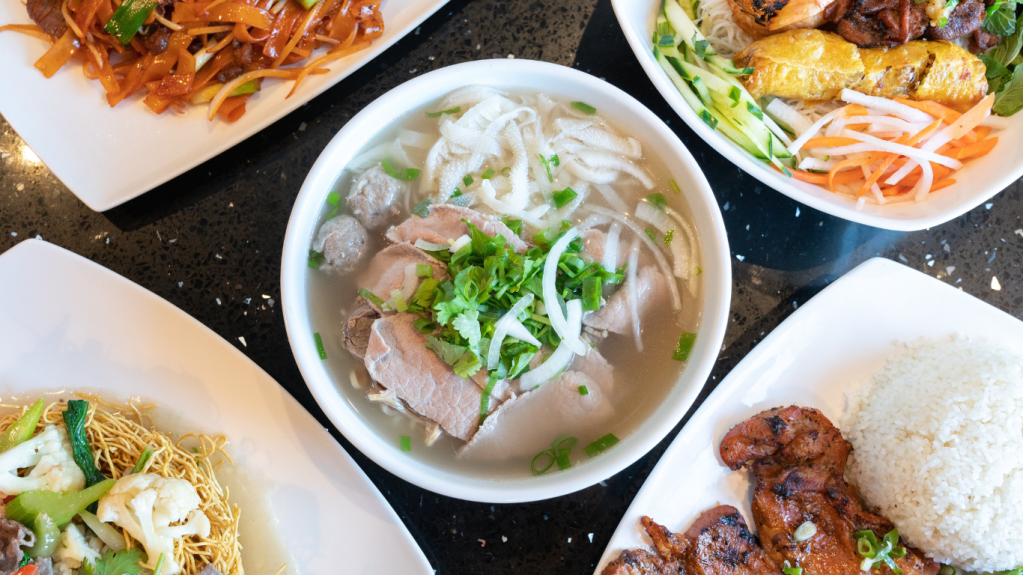
Vietnamese cuisine is all about balancing the five fundamental tastes: sweet, sour, bitter, salty, and umami. Each dish is carefully crafted to incorporate all five tastes, creating a harmonious flavor profile that is both satisfying and balanced. For example, the iconic Vietnamese dish phở is a perfect balance of savory broth, sweet and spicy seasonings, and fresh herbs and vegetables.
Balance of textures
But it’s not just the flavors that are balanced. Vietnamese cuisine also emphasizes the balance of textures, with dishes often incorporating both crispy and soft elements. A classic example of this is the bánh mì sandwich, which features a crispy baguette filled with soft and savory meats and fresh herbs and vegetables.
Balance of nutrients
And of course, the balance of nutrients is also key. Vietnamese cuisine is known for its healthy and nutritious ingredients, with an emphasis on fresh herbs, vegetables, and lean proteins. The use of rice noodles and steamed rice as staples also ensures that dishes are filling and satisfying without being overly heavy.

So how can you eat mindfully and embrace the philosophy of balance in your own meals?
Here are some tips:
🍜 Aim to incorporate all five fundamental tastes into your meals. Experiment with new flavors and seasonings to create a harmonious balance.
- Sweet: caramelized fish sauce in Bún Chả (grilled pork with noodles)
- Sour: tamarind broth in Canh Chua (sweet and sour soup)
- Bitter: bitter melon in Canh Khổ Qua Tôm (shrimp and bitter melon soup)
- Salty: fish sauce in Nước Chấm (dipping sauce)
- Umami: fermented fish sauce in Mam Tom (shrimp paste dip)
🍜 Incorporate a variety of textures into your meals. Mix crispy and soft elements for a satisfying and balanced eating experience.
- Crispy: Fried spring rolls (Nem Rán) with crispy wrapper and soft filling
- Soft: Silken tofu in Tôm Kho Tàu (braised shrimp with tofu)
- Chewy: Rice cakes (Bánh Đúc) with soft texture and chewy consistency
- Crunchy: Shredded green papaya in Gỏi Đu Đủ (papaya salad) with crispy texture
🍜 Embrace fresh and nutritious ingredients. Aim to incorporate plenty of fresh herbs, vegetables, and lean proteins into your meals.
- Herbs: Cilantro, Thai basil, mint, and lemongrass used in many dishes for their fresh flavor and aroma
- Vegetables: Bok choy, cabbage, carrots, and beansprouts in Pho (noodle soup)
- Lean proteins: Grilled shrimp, fish, and chicken in Com Tam (broken rice) or Banh Mi (sandwich)
🍜 Practice portion control. Vietnamese cuisine is all about balance, so aim to eat small portions of a variety of dishes rather than one large meal.
- Cơm Bình Dân (lunch box): A popular meal consisting of rice, meat or fish, and vegetables in small portions
- Bún Thịt Nướng (vermicelli noodles with grilled pork): Served in small bowls with herbs and vegetables on the side
- Bánh Xèo (Vietnamese pancake): Cut into small pieces and shared among a group
Conclusion
The philosophy of balance in Vietnamese cuisine is more than just a culinary technique – it’s a way of promoting health and happiness through mindful eating. By embracing the balance of flavors, textures, and nutrients in our meals, we can enjoy not just delicious food, but also a more fulfilling and satisfying dining experience.
Sources:
- “The Science Behind Balanced Flavors in Vietnamese Cuisine” by The Spruce Eats
- “The Role of Balance in Vietnamese Cuisine” by Viet World Kitchen
 GrubVIET