Vietnam is a country of diverse regional cultures and cuisines, and rice noodles are a common ingredient found throughout the country. However, the way rice noodles are made and used in different regions of Vietnam can vary greatly, with each region having its own unique noodle tradition. In this article, we will explore the regional variations of rice noodles in Vietnam and how they reflect the culinary diversity of the country.
Northern Vietnam
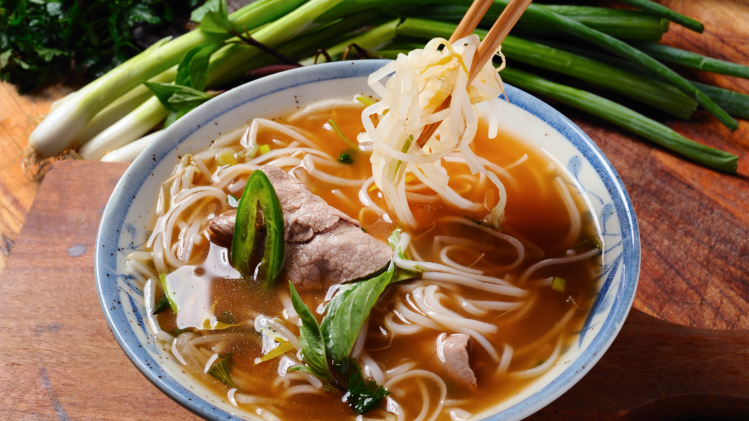
Northern Vietnam is known for its simple and hearty cuisine, and the rice noodles found in this region are no exception. Phở, a popular noodle soup that originated in Hanoi, is made with long, thin rice noodles that are often served with beef or chicken. These noodles are typically cooked in a clear broth made from beef bones and served with fresh herbs, bean sprouts, and lime wedges.
Central Vietnam
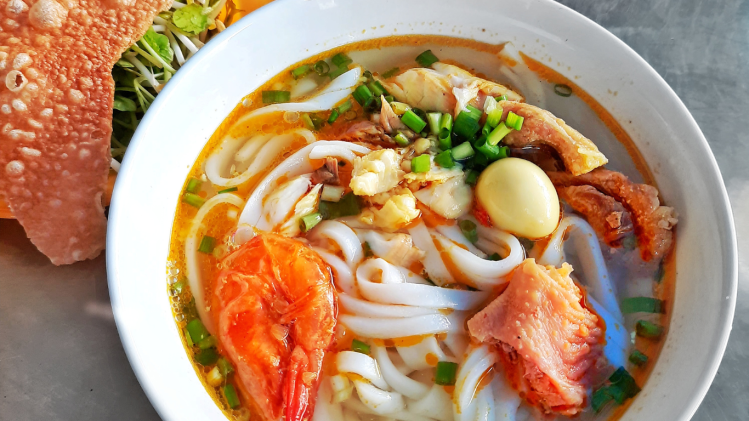
In Central Vietnam, the city of Hue is famous for its noodle dishes, including Bún Bò Huế (beef noodle), which features thick round rice noodles in a spicy beef broth. These noodles are typically served with beef shank, pork knuckles, and pig blood cake. In addition, the region is also known for its use of small, thin rice noodles in dishes like Mì Quảng, a turmeric-flavored noodle dish that is often served with shrimp, pork, and fresh herbs.
Southern Vietnam
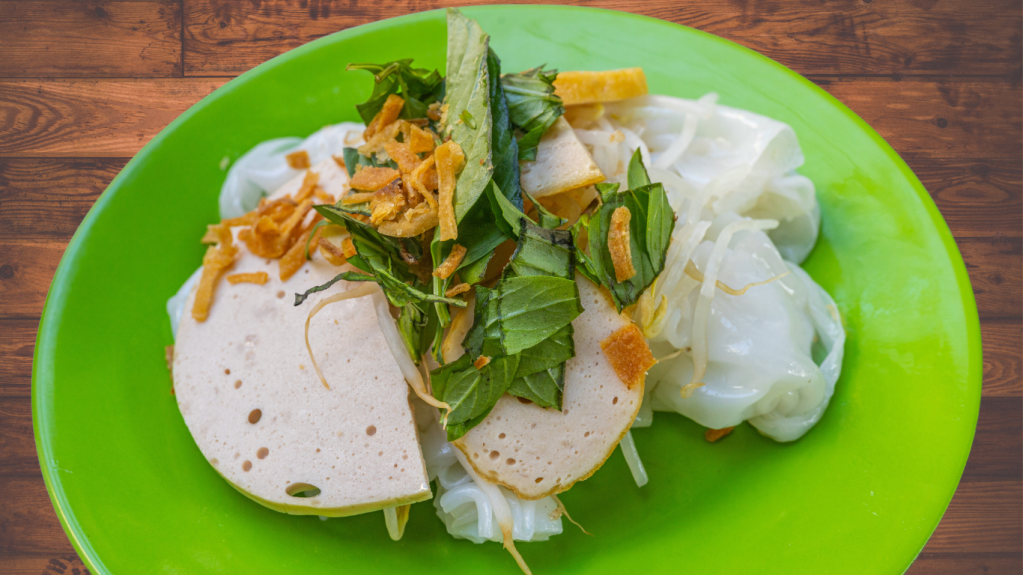
In Southern Vietnam, rice noodles are used in a variety of dishes, including Bánh Ướt, which are delicate sheets of rice noodles that are often served with grilled pork and fresh herbs. In addition, the region is also famous for its use of Bánh Tráng (rice paper), which is made from a mixture of rice flour and water and used to make spring rolls and bánh tráng cuốn.
The Mekong Delta region
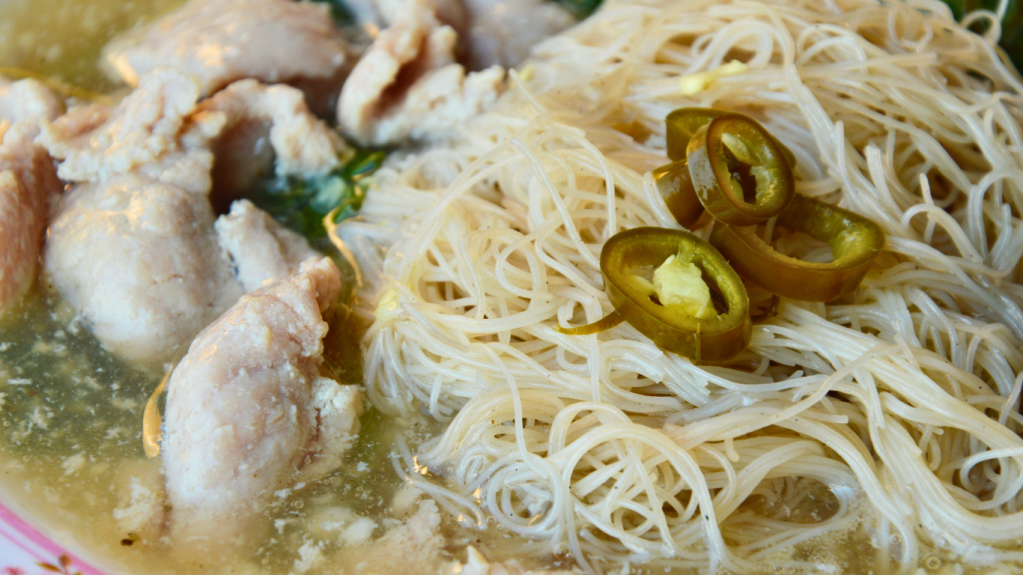
The Mekong Delta region, located in the southwest of Vietnam, has a unique noodle dish called Hủ Tiếu, which is made with thin, flat rice noodles and a flavorful broth made from pork bones and dried shrimp. This dish is often served with a variety of meats and seafood, as well as fresh herbs and bean sprouts.
Conclusion
The regional variations of rice noodles in Vietnam reflect the country’s diverse culinary traditions and cultures. From the hearty phở of the north to the delicate bánh ướt of the south, each region has its own unique way of preparing and using rice noodles. Whether it’s a simple noodle soup or a complex and flavorful dish, rice noodles are an essential ingredient in Vietnamese cuisine and an integral part of the country’s culinary heritage.
 GrubVIET