Are you ready to explore the diverse regional variations of everyone’s favorite Vietnamese noodle soup, Phở? While Phở is now enjoyed globally, did you know that each region in Vietnam has its own unique take on the dish?
- Hanoi Phở
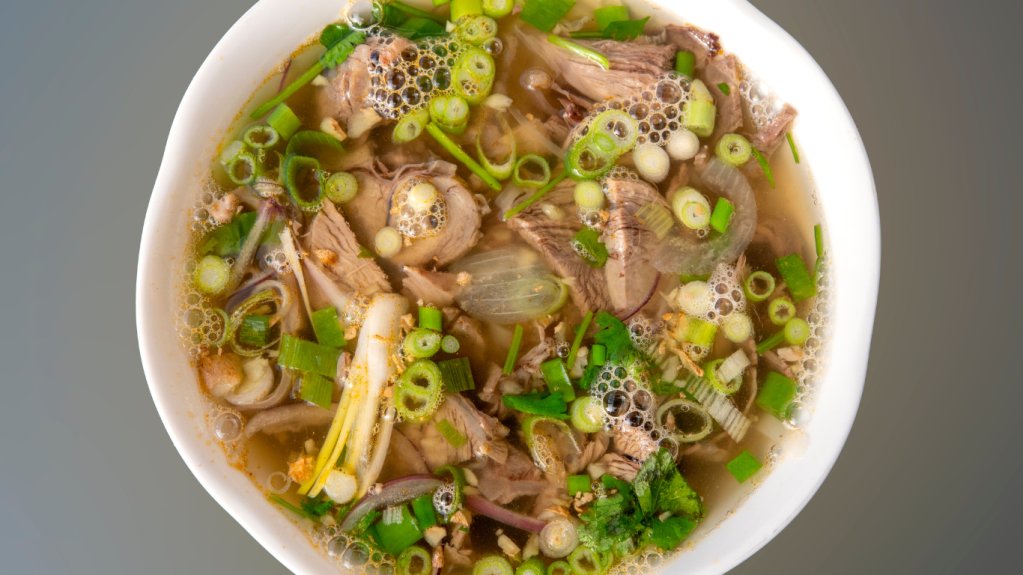
Hanoi, Vietnam’s capital city, is the birthplace of phở. This is where the dish was first created in the early 20th century. Hanoi-style phở is typically made with a clear, light broth that is simmered for hours with a variety of herbs and spices, such as ginger, cinnamon, and cloves. The beef or chicken used in Hanoi phở is sliced thinly and is cooked in the broth for only a short time, resulting in tender and flavorful meat.
- Saigon Phở
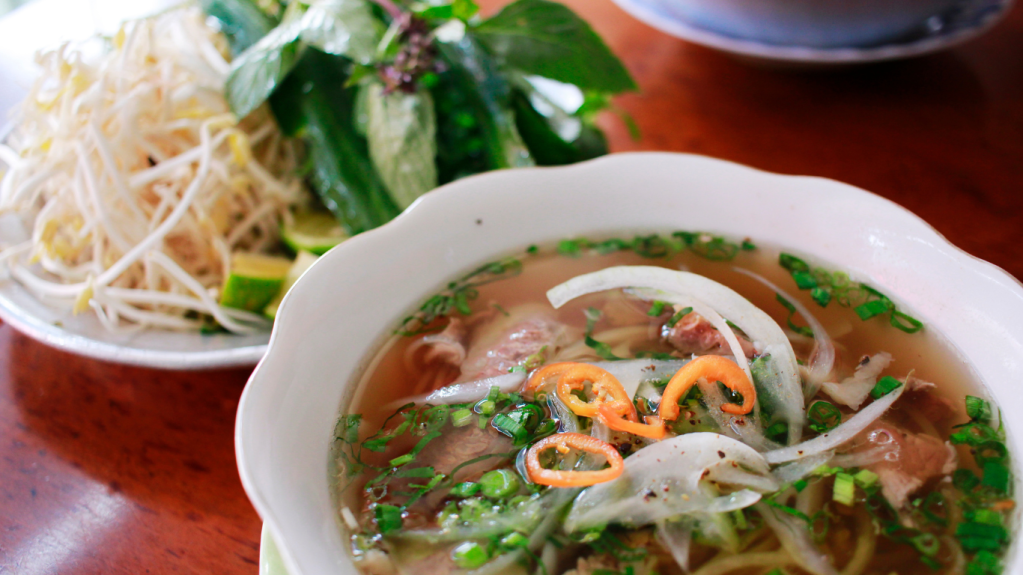
In contrast to Hanoi phở, Saigon phở is known for its darker, sweeter broth, made by simmering beef bones with charred onion and ginger. The noodles in Saigon phở are also typically wider than those used in Hanoi phở. Saigon phở is also commonly served with a side of fresh herbs, bean sprouts, and sliced chili peppers.
- Hue Phở

Hue, the ancient capital of Vietnam, is known for its royal cuisine, and its version of phở is no exception. Hue phở features a more complex broth, flavored with a variety of spices, including lemongrass, star anise, and coriander. Hue phở is also typically served with beef shank and beef tendon, making it a heartier and more substantial dish.
- Phở Bac
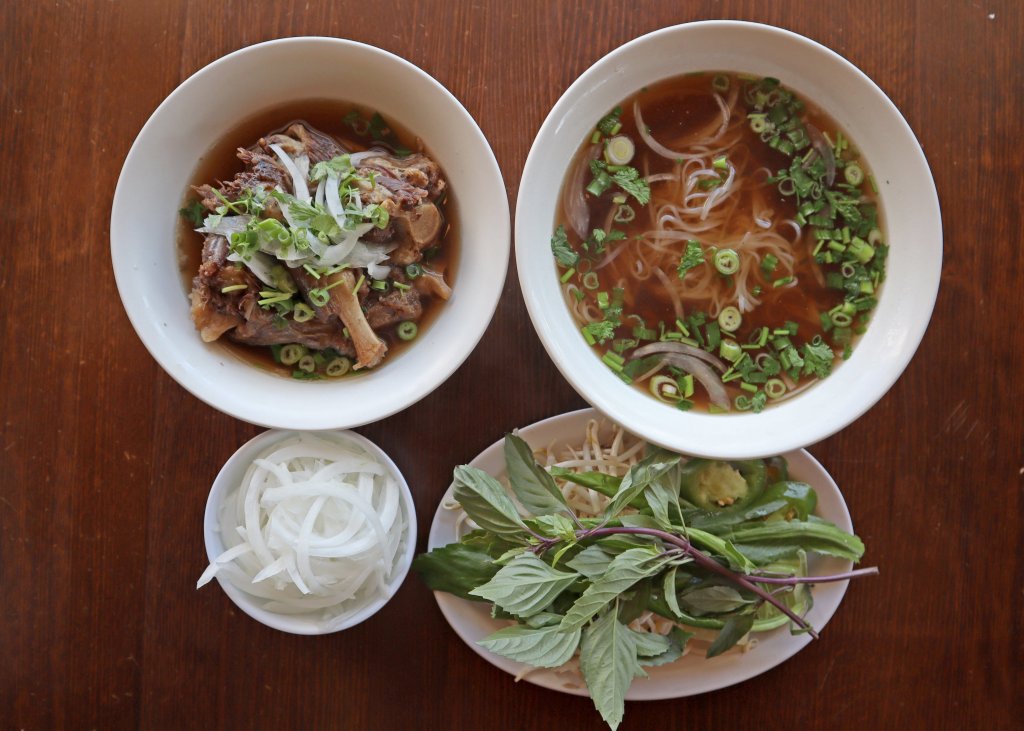
Phở Bac, which means “northern phở,” is a regional variation that hails from the northern part of Vietnam. It is similar to Hanoi-style phở, but with a few key differences. Phở Bac is typically made with wider noodles and a sweeter, more caramelized broth. It is also served with scallions and cilantro, which are not typically included in other phở variations.
- Phở Chay (Vegan/ Vegetarian Phở)
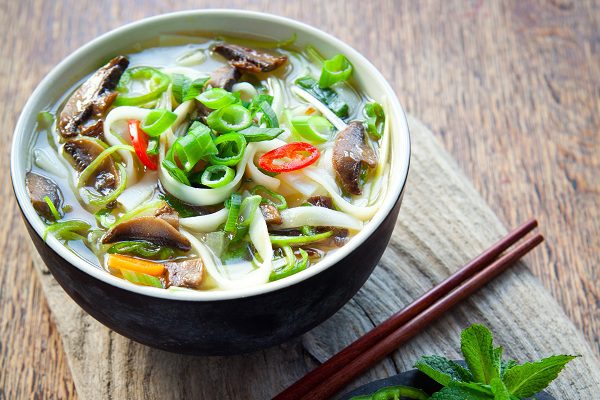
For vegetarians or those who want to try a meat-free version of pho, there’s Phở Chay. This version of phở is made with a vegetable broth, typically featuring mushrooms and other vegetables for added flavor. Tofu or soy protein is often used as a substitute for the traditional meat in this version.
Whether you’re a phở enthusiast or simply looking to expand your culinary horizons, there’s no denying the rich diversity of regional variations of this beloved dish. From Hanoi Phở to Saigon Phở, Hue phở to Phở Bac, each variation offers its unique take on the dish, reflecting the local ingredients and traditions of the region. So, the next time you find yourself craving a warm, comforting bowl of phở, why not try a new variation and explore the many flavors of this iconic Vietnamese dish?
Sources:
- “Phở: The Essential Guide to the Iconic Vietnamese Noodle Soup” by Sarah Gore
- “The Food of Vietnam” by Luke Nguyen
- “Phở: A Cultural History” by Andrew Coe
 GrubVIET