Are you a fan of Vietnamese cuisine? If so, you’ve probably heard of Phở, the delicious rice noodle soup that has taken the world by storm. But did you know that the origins of this beloved dish can be traced back to French colonialism in Vietnam?
In this post, we will take a deep dive into the fascinating history of Pho, tracing its origins and exploring how it has evolved over time to become the iconic dish we know and love today.
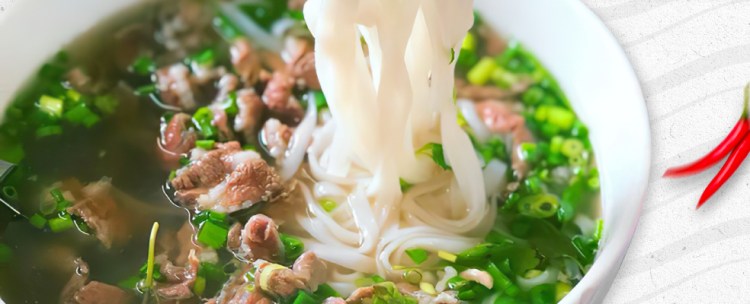
The Origins of Phở
The history of Phở can be traced back to the late 19th century, during the French colonial period in Vietnam. It is believed that Phở was inspired by the French pot-au-feu, a beef stew that was popular among French colonizers. Vietnamese cooks adapted the dish to suit local tastes, using rice noodles and adding their own blend of spices, such as star anise, cloves, and cinnamon.
Phở originally started out as a working-class dish, sold by street vendors who would carry their pots of broth and noodles on a shoulder pole. The dish gained popularity throughout Vietnam during the 20th century, becoming a staple in the country’s cuisine.
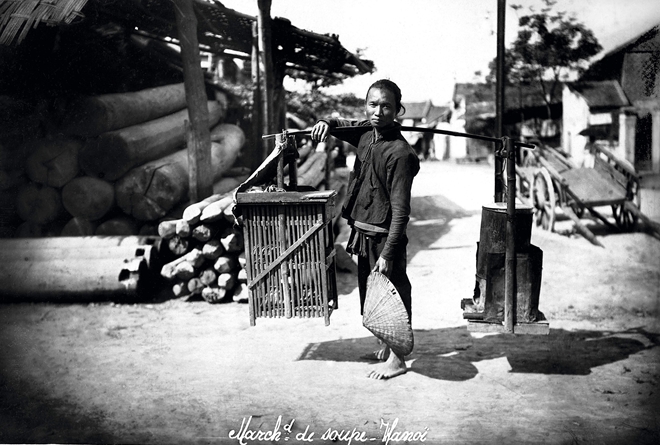
Credit: Ferdinand de Fénis
The name “Phở” is believed to have been derived from the French word “feu,” which means “fire” or “heat.” This is likely because the broth used to make Phở is simmered for hours to develop its rich flavor.
Phở Evolves
Phở has undergone several changes and adaptations over time to suit changing tastes and dietary requirements. In the early days, Phở was primarily made with beef or chicken broth, with Beef Phở (Phở Bò) becoming more prevalent in the 1950s when beef became more widely available. Chicken Phở (Phở Gà) also became popular in southern Vietnam due to the abundance of chicken in the region.

Vegetarian and vegan versions of Phở (Phở Chay) have become increasingly popular in recent years, with mushroom or tofu-based broths and vegetable-based toppings. This reflects the growing interest in plant-based diets and a desire for healthier and more sustainable food options.
Phở Goes Global
In the early 1970s, Vietnamese refugees fleeing the country’s political turmoil and war brought Phở to the United States, where it gained popularity in Vietnamese communities. Over time, Phở restaurants opened in other Western countries, such as France, Australia, and Canada, and Phở began to gain a wider following.
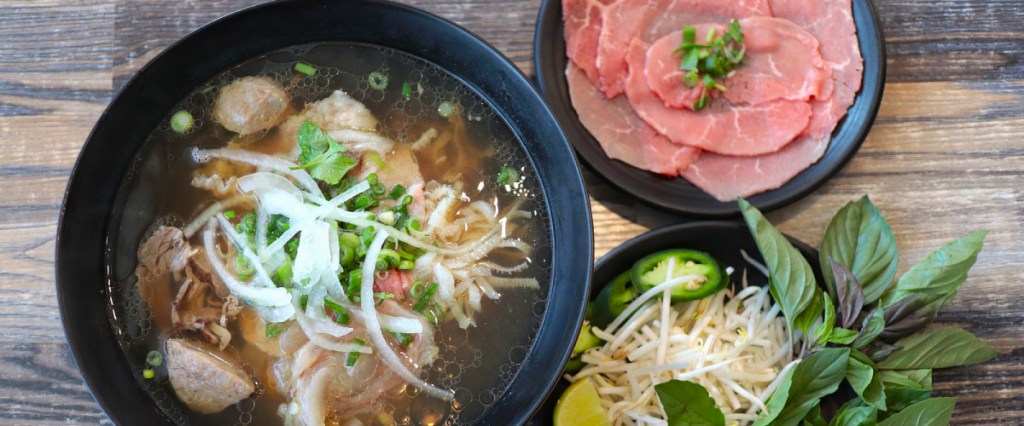
Today, Phở is a popular dish in many Western countries, with Phở restaurants opening in major cities worldwide. This trend reflects the growing interest in international cuisine and a desire for authentic and flavorful dishes from around the world.
Phở has also become a popular dish in the foodie scene, with chefs and food bloggers experimenting with new variations and flavor combinations. Non-traditional meats, such as seafood or pork, have been used in Phở, and unique toppings and garnishes have been added to create new and exciting versions of the dish.
But what makes Phở so special?
Aside from its delicious taste, this dish also boasts some surprising health benefits. The bone broth used in Phở is rich in collagen, which can help improve skin, hair, and joint health. The spices used in Phở, including ginger and garlic, also have immune-boosting properties.
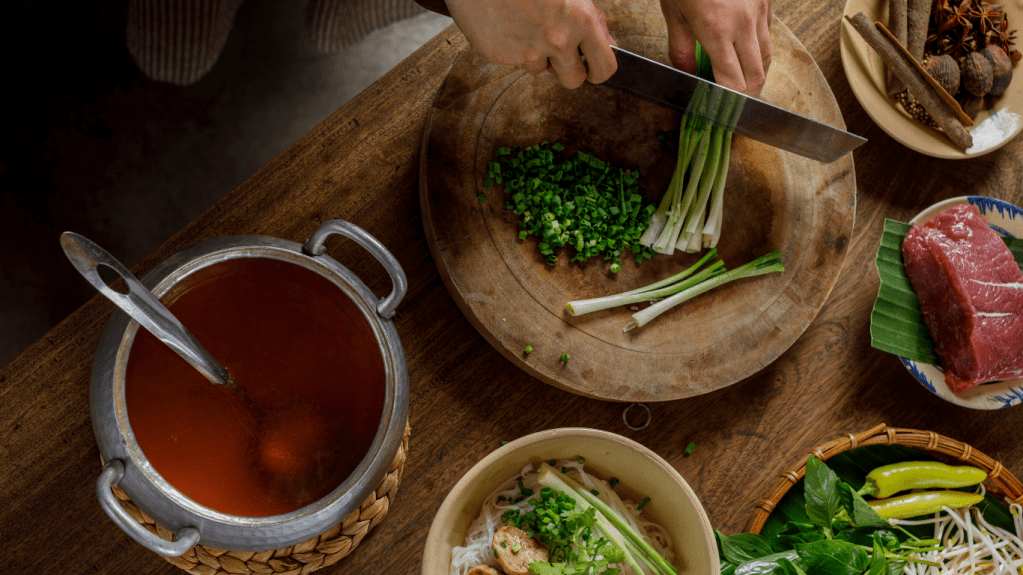
So, whether you’re a die-hard Phở fan or a newcomer to this iconic dish, there’s no denying the cultural significance and deliciousness of Phở. From its French colonial roots to its global popularity, Phở’s history tells a fascinating story of the ways in which food and culture intersect.
Sources:
- “Pho: The Iconic Dish That Defines Vietnam” by Andrea Nguyen
- “The Evolution of Pho: From Humble Street Food to Global Sensation” by CNN Travel
- “The History of Pho: Vietnam’s Famous Dish” by Hoang Nguyen
- “A Beginner’s Guide to Eating Pho, the Most Delicious Soup in the World” by Eater
- “10 Reasons Why Pho Is The Perfect Comfort Food” by The Culture Trip
- “The Health Benefits of Pho” by The Beet
 GrubVIET